‘Sowing the Seeds of tomorrow; growing in the light of the Lord’
Our Vision and Core Values at Read St. John’s
At Read St. John’s, we are proud of our vision and core Christian values, which guide and underpin everything we do each day.
Our Vision
We aim to unlock the potential for everyone to flourish whilst being rooted and grounded in God’s love. We aim high, so together as one family, we can fly.
This vision is deeply rooted in the biblical teaching from Matthew 13:1-23, the Parable of the Sower. This parable beautifully illustrates our belief that every child deserves the right opportunities, care, and support to grow and flourish. Just as the sower plants seeds in good soil to nurture growth, we provide an excellent foundation and all the necessary ingredients for every child to reach their full potential.
Our Core Christian Values
Our vision is brought to life through our core values, which are woven into the fabric of our school community:
Trust
Friendship
Compassion
Perseverance
Forgiveness
Respect
Service
Responsibility
Each of these values reflects the character and love of God and helps shape our relationships, learning, and behaviour.
Living Our Values Together
To make these values tangible and meaningful, each class has chosen one of our core Christian values to reflect upon and adopt as their Class Value. These are celebrated and displayed throughout the school, forming a whole-school tapestry of faith and growth.
Through this shared commitment, we nurture confident, responsible, and happy members of society who are equipped to flourish in all aspects of life.
At Read St. John’s, our vision and values are not just words—they are the living roots that help every child grow strong and flourish in God’s love.
Living Our Christian Values Every Day at Read St. John’s
Pupil Voice: Flourishing Through Faith and Friendship
At Read St. John’s, pupils are encouraged to express their thoughts and experiences about how the school’s Christian vision shapes their lives. Here are some reflections from our pupils:
“I feel happy and safe at school because everyone is kind and helps each other. Our values like Trust and Friendship make us feel like a family.” – Year 5 pupil
“In collective worship, I like praying and thinking about how God’s love helps us to be better friends and to forgive.” – Year 6 pupil
“Our school helps me to keep on trying even when things are hard because of Perseverance. I know God will help me.” – Year 3 pupil
These voices show how pupils understand and live out our Christian values, fostering a culture of care, respect, and resilience.
Embedding Our Christian Values in Daily Life
Our Christian values are not just words; they are lived out every day through:
Behaviour and Relationships: Pupils and staff demonstrate Trust, Respect, and Compassion in their interactions, creating a positive and dignified school culture.
Curriculum and Learning: Values underpin lessons and activities, encouraging pupils to be responsible, persevere in challenges, and serve others. For example, group projects foster Cooperation and Friendship, while reflection times nurture Forgiveness and inner peace.
Wellbeing and Inclusion: The school’s vision ensures that mental health and wellbeing are priorities. Support systems are in place for vulnerable pupils, reflecting our commitment to Service and Responsibility.
Through these lived experiences, pupils grow holistically—spiritually, academically, socially, and emotionally—flourishing in God’s love.
Spirituality Across Our Curriculum
“Sowing the seeds of tomorrow, growing in the light of the Lord.”
At our school, spirituality is at the heart of everything we do. We believe that every child and adult is on a spiritual journey — growing in understanding, compassion, and faith. Rooted in our Christian vision, “Sowing the seeds of tomorrow, growing in the light of the Lord,” we seek to nurture the spiritual development of both our children and our staff.
“Spirituality is not something we can see; it is something we feel inside ourselves. It is about awe and wonder, asking questions, inspiration and being aware of something ‘bigger’ outside of ourselves’
Spirituality is not a stand-alone subject; it is woven throughout our curriculum and daily life.
Subject Examples of Spirituality
1. Religious Education (RE)
Pupils explore core Christian beliefs alongside other world faiths (e.g., Buddhism, Islam), fostering respect for different perspectives and deepening understanding of spirituality.
Pupils reflect on big questions about life, purpose, and morality, developing their own views and appreciating others’ beliefs.
Curriculum encourages pupils to articulate and challenge their assumptions about religion and spirituality, building personal and disciplinary knowledge.
2. English
Through stories, poetry, and drama, pupils explore themes of identity, morality, and human experience, encouraging empathy and self-reflection.
Pupils engage with texts that explore spiritual concepts such as forgiveness, hope, and redemption.
Creative writing allows pupils to express their inner thoughts and feelings, nurturing imagination and spiritual insight.
3. Art
Pupils use creativity to express spiritual ideas and emotions, such as creating religious symbols or exploring themes like light and darkness.
Art projects linked to religious festivals or spiritual themes encourage contemplation and reflection.
Pupils explore diverse cultural expressions of spirituality through visual arts.
4. Music
Singing hymns and spiritual songs fosters a sense of community and connection to Christian worship.
Pupils experience music as a form of spiritual expression and emotional release.
Listening to and composing music inspired by spiritual themes develops imagination and reflection.
5. Science
Pupils explore the natural world, fostering awe and wonder at creation, which can lead to spiritual reflection on life and existence.
Discussions about life cycles, ecosystems, and the universe encourage pupils to consider bigger questions about purpose and stewardship.
Ethical debates around scientific issues (e.g., environmental care) link to moral and spiritual development.
6. History and Geography
Pupils learn about diverse cultures, traditions, and belief systems, promoting respect and understanding of different spiritual perspectives.
Exploring historical figures and events with spiritual significance helps pupils connect spirituality with real-world actions.
Geography lessons on global communities encourage pupils to reflect on their place in the world and responsibilities to others.
7. Physical Education (PE)
Teamwork and cooperation activities promote social skills and respect, supporting pupils’ sense of belonging and dignity.
Opportunities for mindfulness, focus, and self-discipline in PE nurture inner calm and spiritual well-being.
Pupils reflect on perseverance, resilience, and fair play as expressions of Christian values.
8. Personal, Social, Health and Economic Education (PSHE)
Pupils discuss values such as forgiveness, compassion, and responsibility, linking these to their own lives.
Reflection on emotions, mental health, and well-being supports spiritual growth and resilience.
Opportunities for prayer, meditation, and reflection are embedded to deepen spiritual awareness.
Summary
Through these subject-specific approaches, Read St. John’s ensures that spirituality is woven throughout the curriculum, enabling pupils to:
Reflect on their beliefs and values.
Develop a sense of awe, wonder, and creativity.
Engage meaningfully with big questions about life and purpose.
Appreciate and respect diverse spiritual perspectives.
Using Windows, Mirrors, and Doors to Explore Spirituality at Read St. John’s
Introduction
At Read St. John’s, our theologically rooted Christian vision, “Sowing the Seeds of tomorrow; growing in the light of the Lord,” inspires us to nurture spirituality in all members of our school community. We have adopted the framework of Windows, Mirrors, and Doors to deepen pupils’ and adults’ understanding of spirituality.
What Are Windows, Mirrors, and Doors?
Windows: Opportunities to look outwards and explore the wider world, gaining insight into different beliefs, cultures, and perspectives. I wonder .......... Why did that happen?
Mirrors: Reflecting on one’s own identity, values, and experiences to develop self-awareness and spiritual growth. What Happened? How did it make you feel?
Doors: Encouraging pupils to step through into new experiences, relationships, and ways of living inspired by Christian values. How can you make a difference? What could you do?
Impact on the School Community
Pupils demonstrate a growing understanding of spirituality as a personal and communal experience, reflected in respectful relationships and positive behaviour.
Staff and pupils report that the Windows, Mirrors, and Doors framework enriches their collective worship and spiritual life.
The school’s Christian vision is lived out through inclusive, invitational, and inspirational spiritual practises that enable everyone to flourish.
Conclusion
By embedding the concepts of Windows, Mirrors, and Doors into our school life, Read St. John’s fosters an environment where spirituality is accessible, meaningful, and transformative. This approach supports our vision and values, helping all members of our community to grow in the light of the Lord.
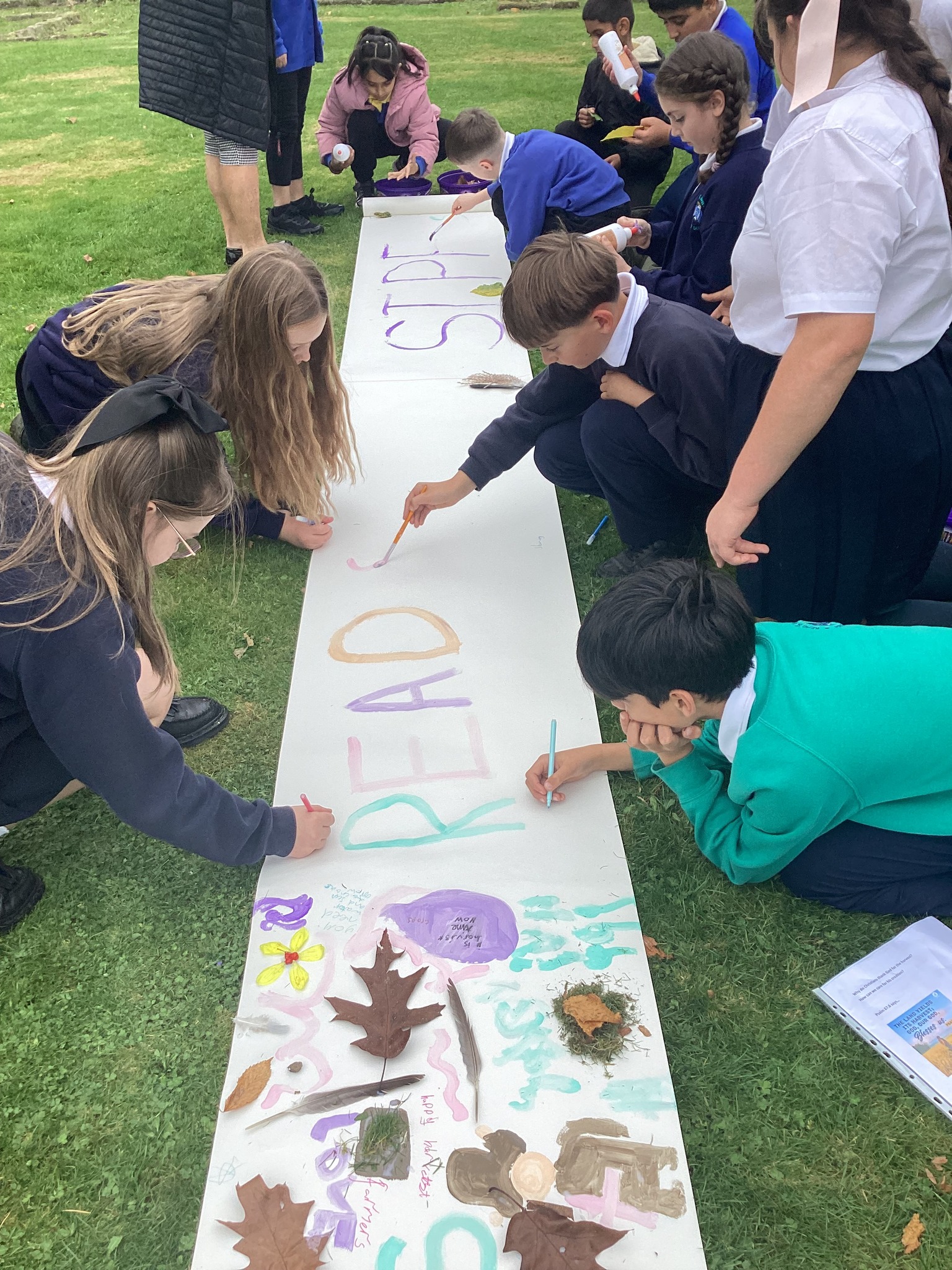
Windows – look at the world/awe and wonder around you?
.jpg)